Sign in. It’s quick, free and it’s up to you.
An account is an optional way to support the work we do. Find out more.
Sign in. It’s quick, free and it’s up to you.
An account is an optional way to support the work we do. Find out more.
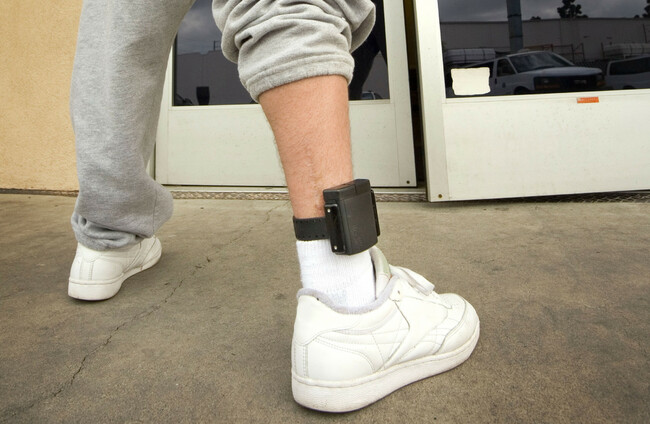
THE USE OF electronic tagging to monitor people convicted of crimes or awaiting trial may come into effect later this year, the Justice Minister has said.
Speaking to the Irish Prison Officers’ Association in Galway this morning, Jim O’Callaghan said he was personally committing that so-called ‘tagging’ would be implemented this year following a procurement procedure.
Laws around the use of electronic tags have been approved in Ireland since 2007 and the devices were briefly used by the Irish Prison Service between 2013 and 2018 but were scrapped due to reported value-for-money concerns.
Within that time, over 100 people were placed on an electronic tag primarily for monitoring purposes when convicted prisoners during temporary release. A third-party was tasked the managing the system at the time.
It is understood that a new electronic tagging regime will be controlled and monitored by the State and the relevant protocol and procedures to use the devices are currently being debated among Department of Justice officials.
O’Callaghan said today that it is “embarrassing” that the legislation has not been properly implemented over successive ministers and that a tagging regime would be implemented by the year’s end.
“I have asked my officials to complete the necessary procurement requirements with urgency so an initial rollout of electronic tagging can be expected by the end of the year at the very latest,” the minister said.
He added that he was personally pledging it that the procurement process would be completed by the end of the year.
“There are a number of scenarios currently covered by legislation which allow for electronic tagging. Provisions which allow for tagging of people on temporary release and in some cases, people on bail, have the potential to tackle overcrowding,” he added.
The use of electronic tags, commonly worn on a person’s ankle, has been in operation in other jurisdictions, such as the UK, some EU member states and the US, for almost two decades.

To embed this post, copy the code below on your site















have your say